In development
A research-driven performance created for microgravity. Its cameras double as research instruments.
The first theatrical studio for space
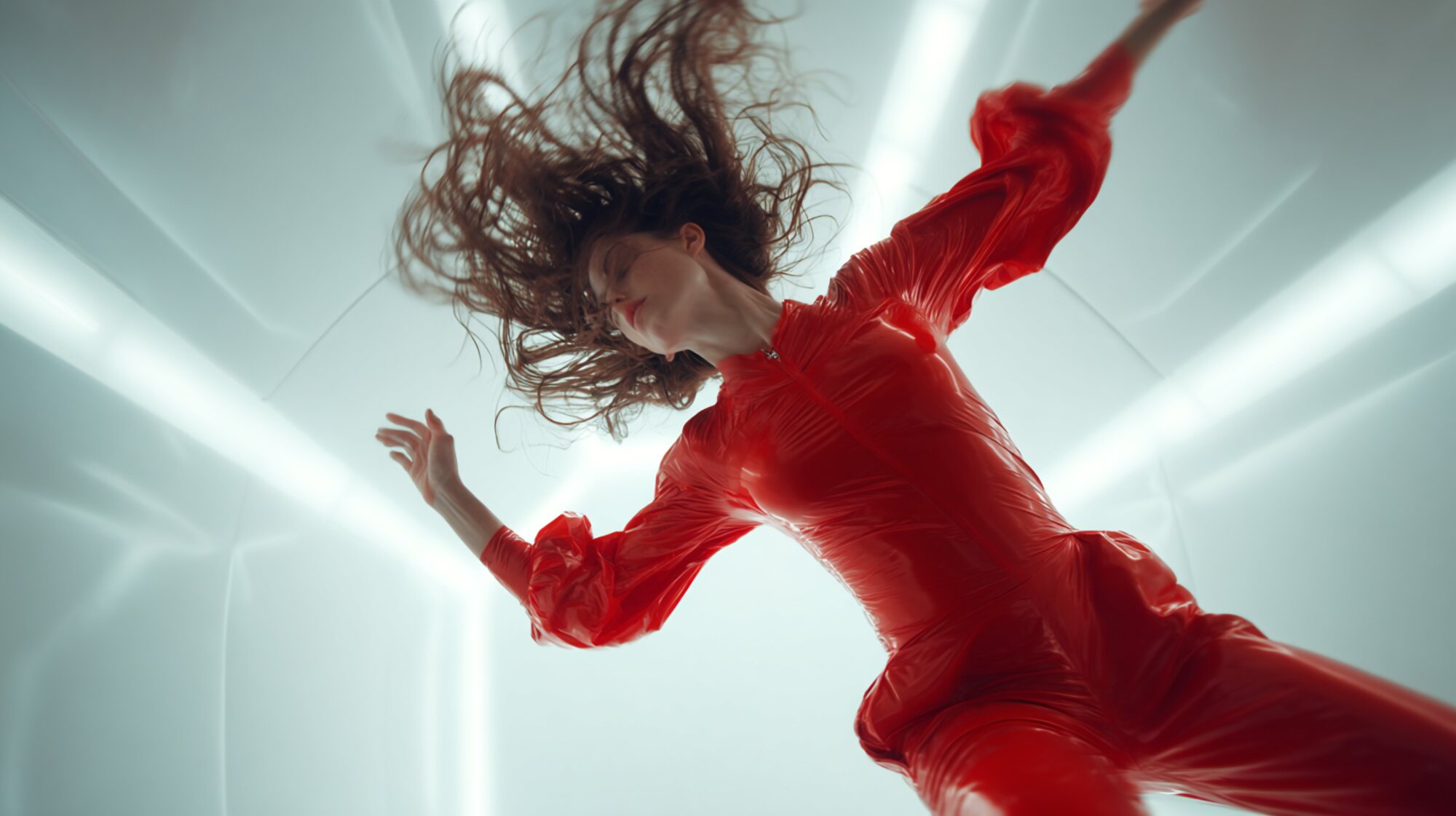
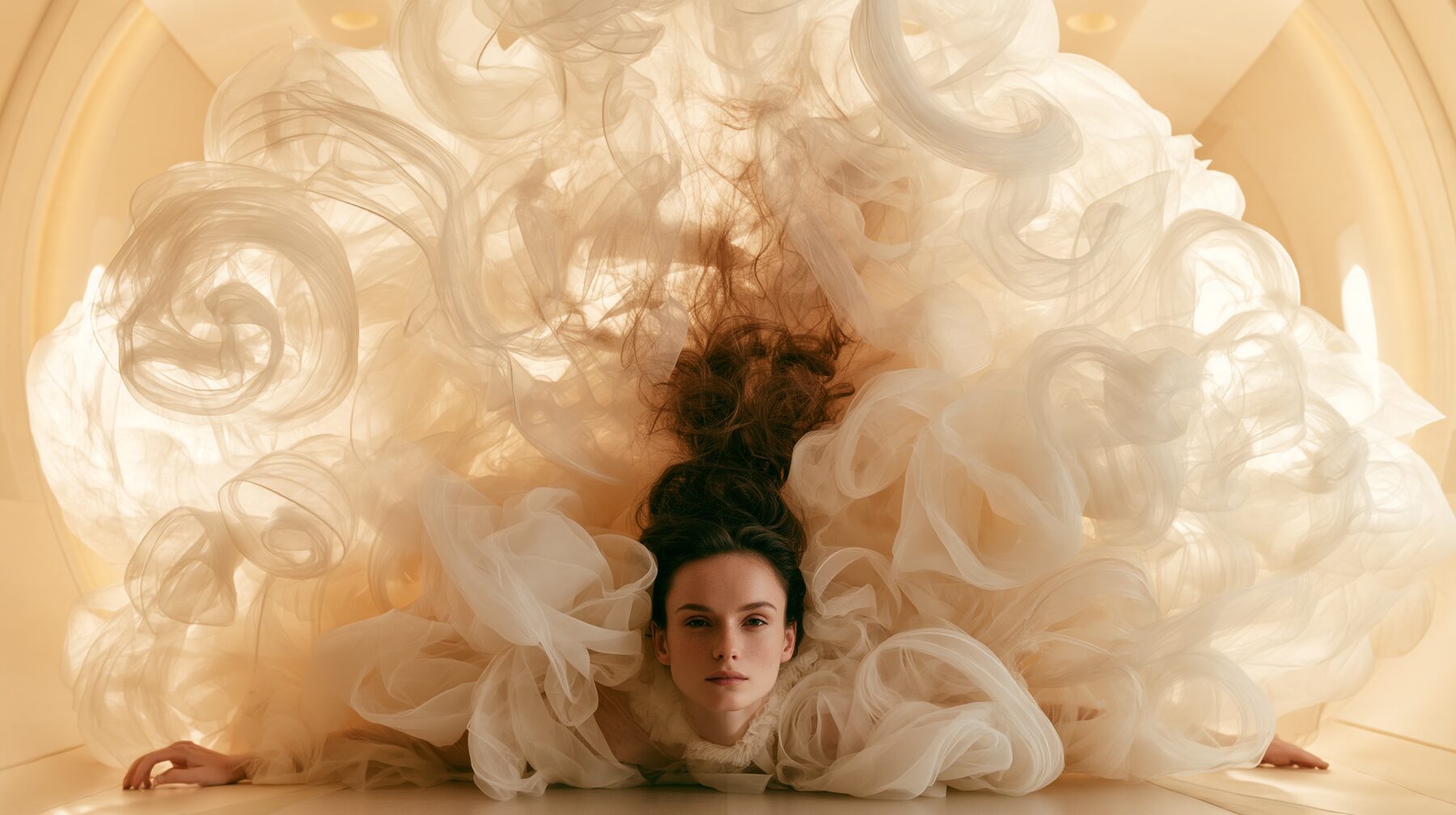
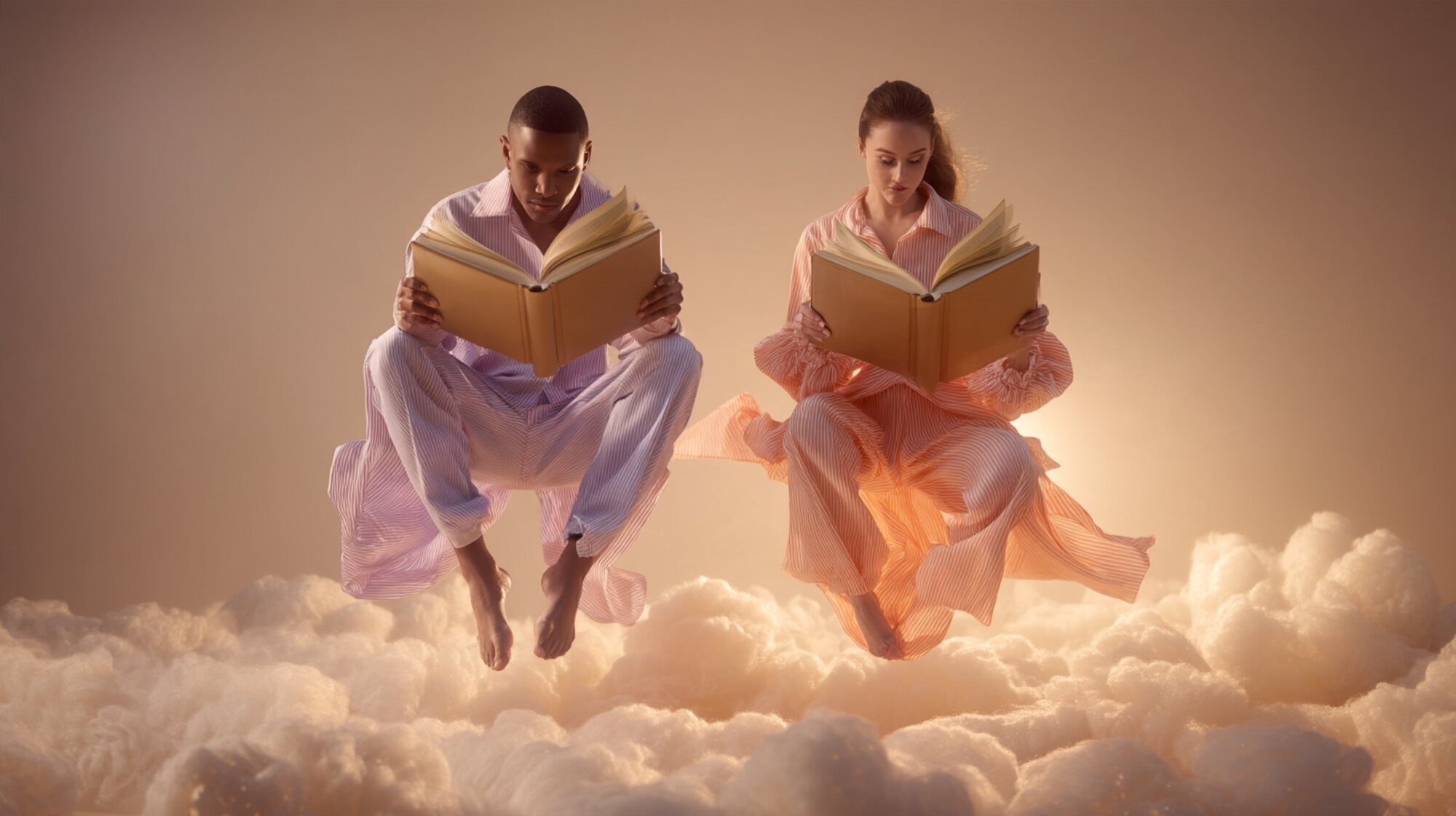
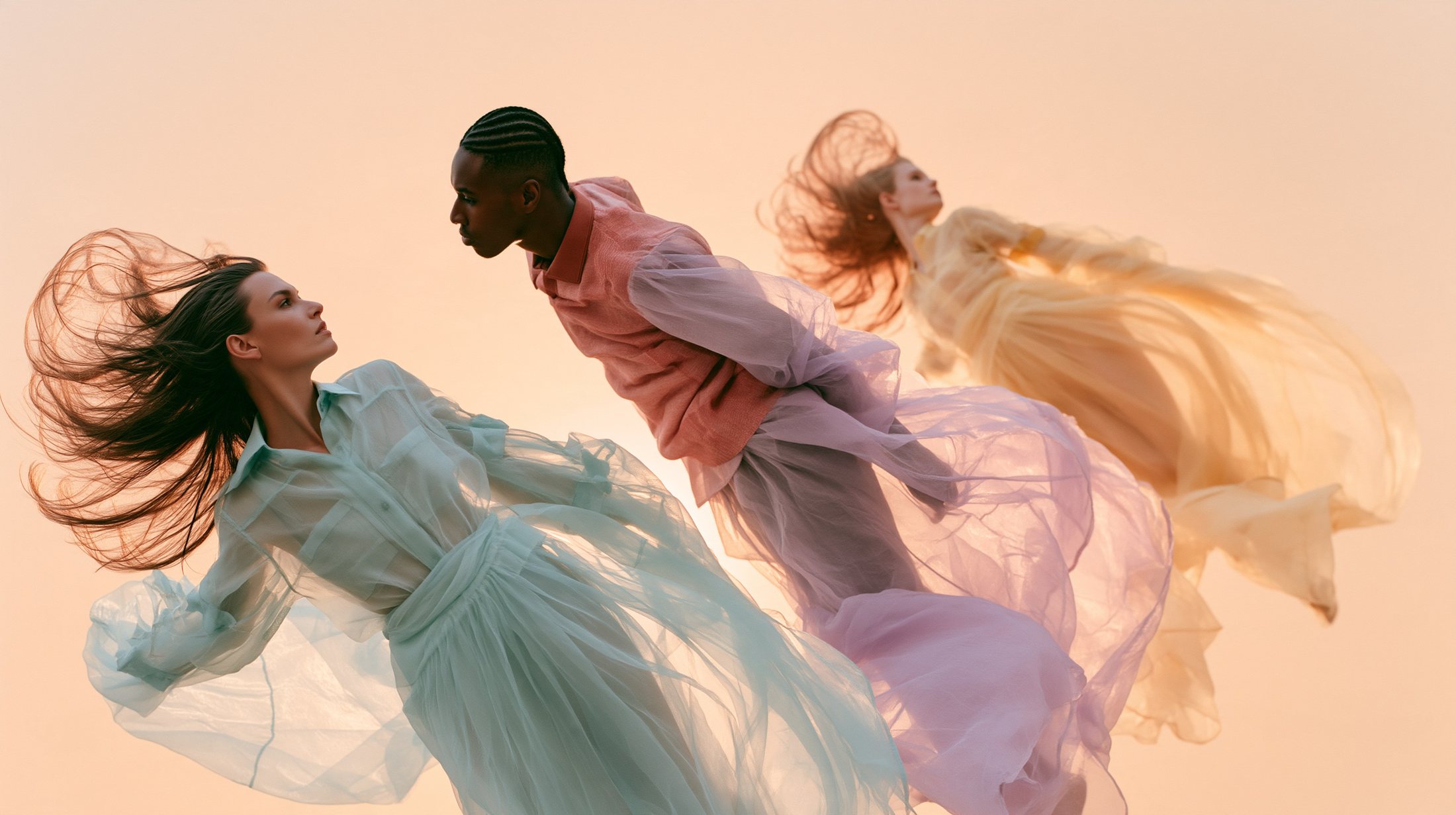
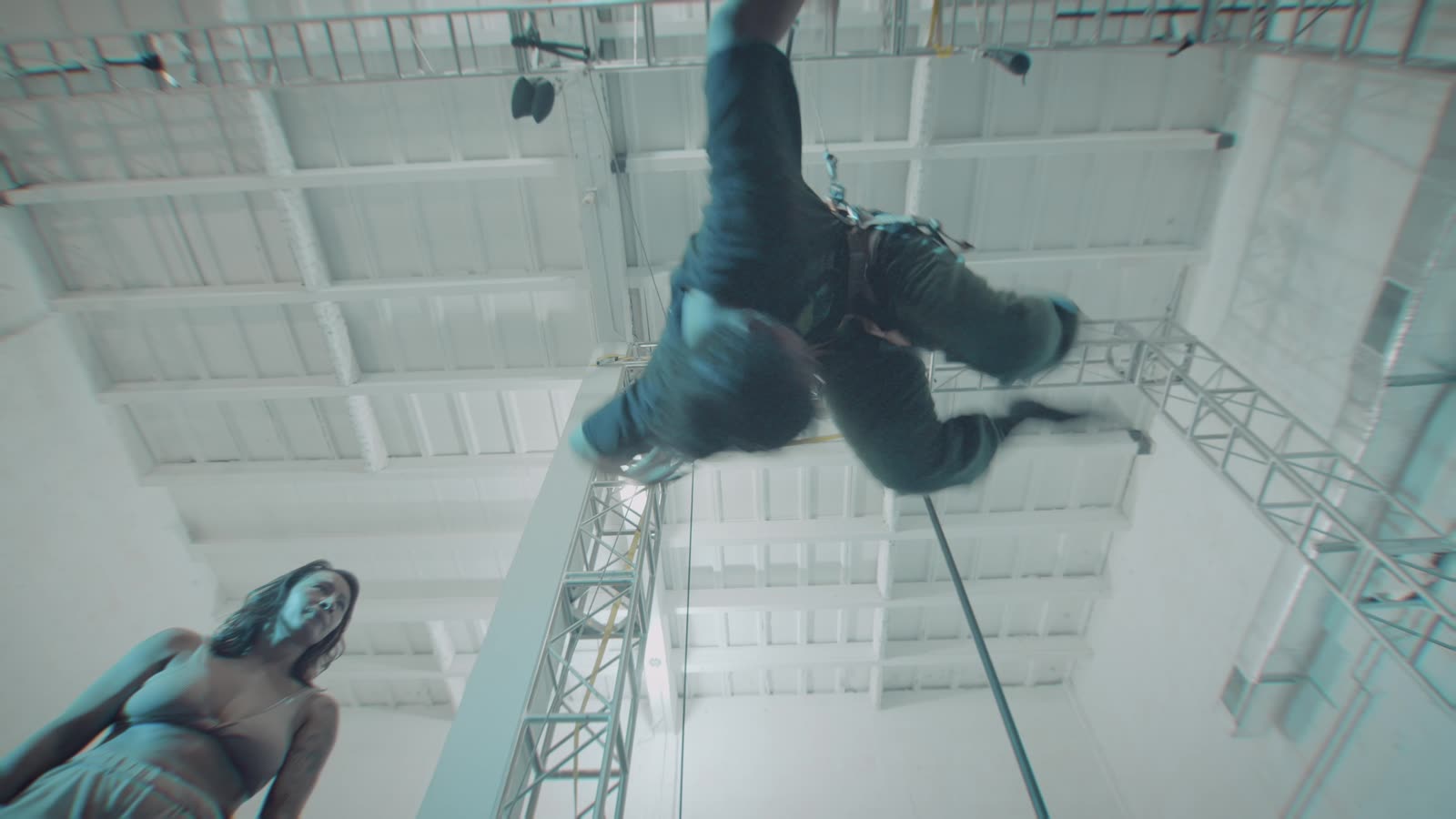
Previsualizations for our first weightless performances. Flying in 2027. Join us
“The next giant leap for humankind should make room for wonder.”
Miami Herald














 UN Today
Founded by showmaker Natasha Tsakos, after 25 years of adventurous show-making and 15-plus in space training. Her credits include TED, the United Nations, the G20, Cirque du Soleil and the Super Bowl.








Everyone aboard feels nearly twice their weight.
22 seconds. That's our stage.
One flight. Many parabolas. No orbit required.Natasha has flown 32.
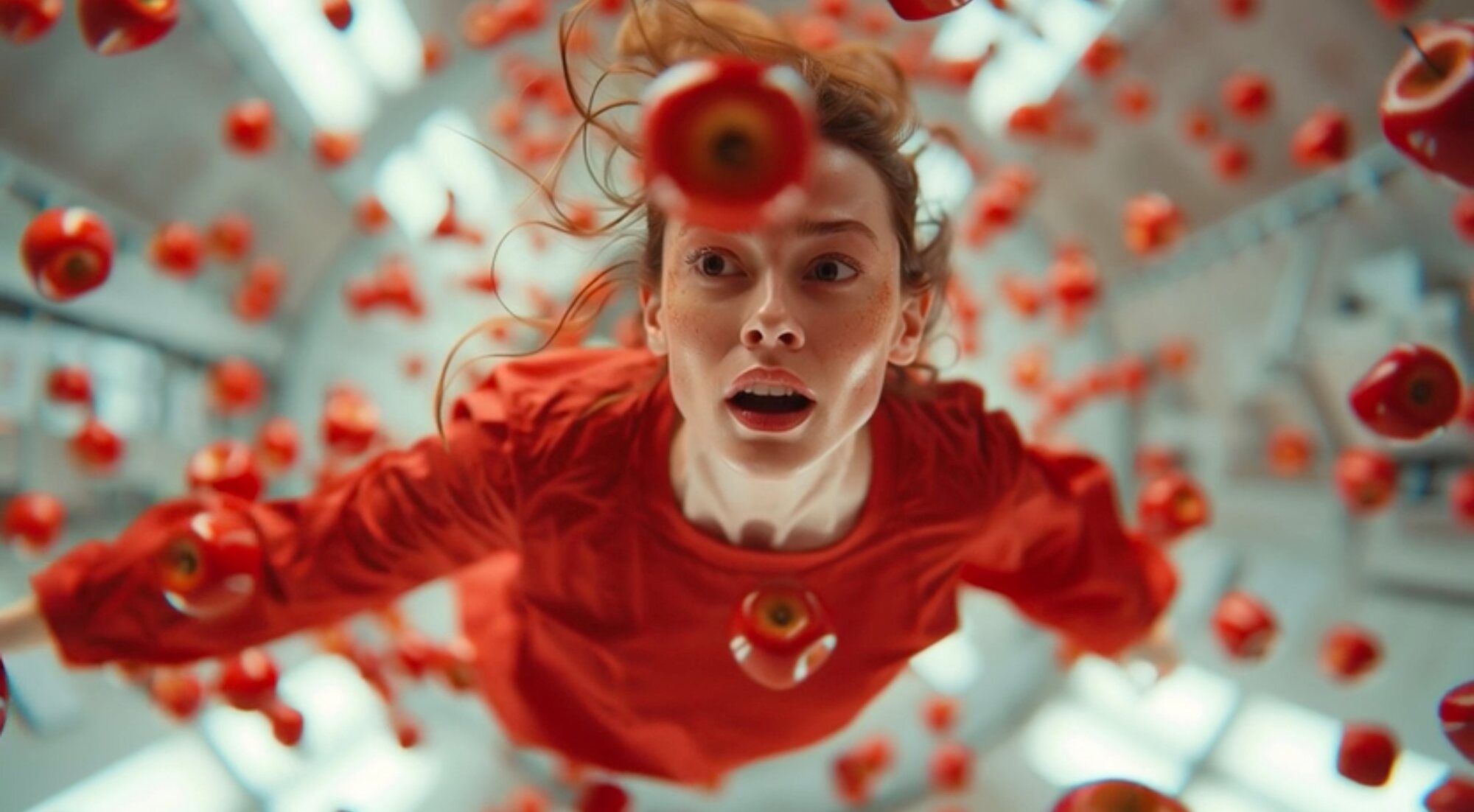

A multimedia performance for microgravity. In development.
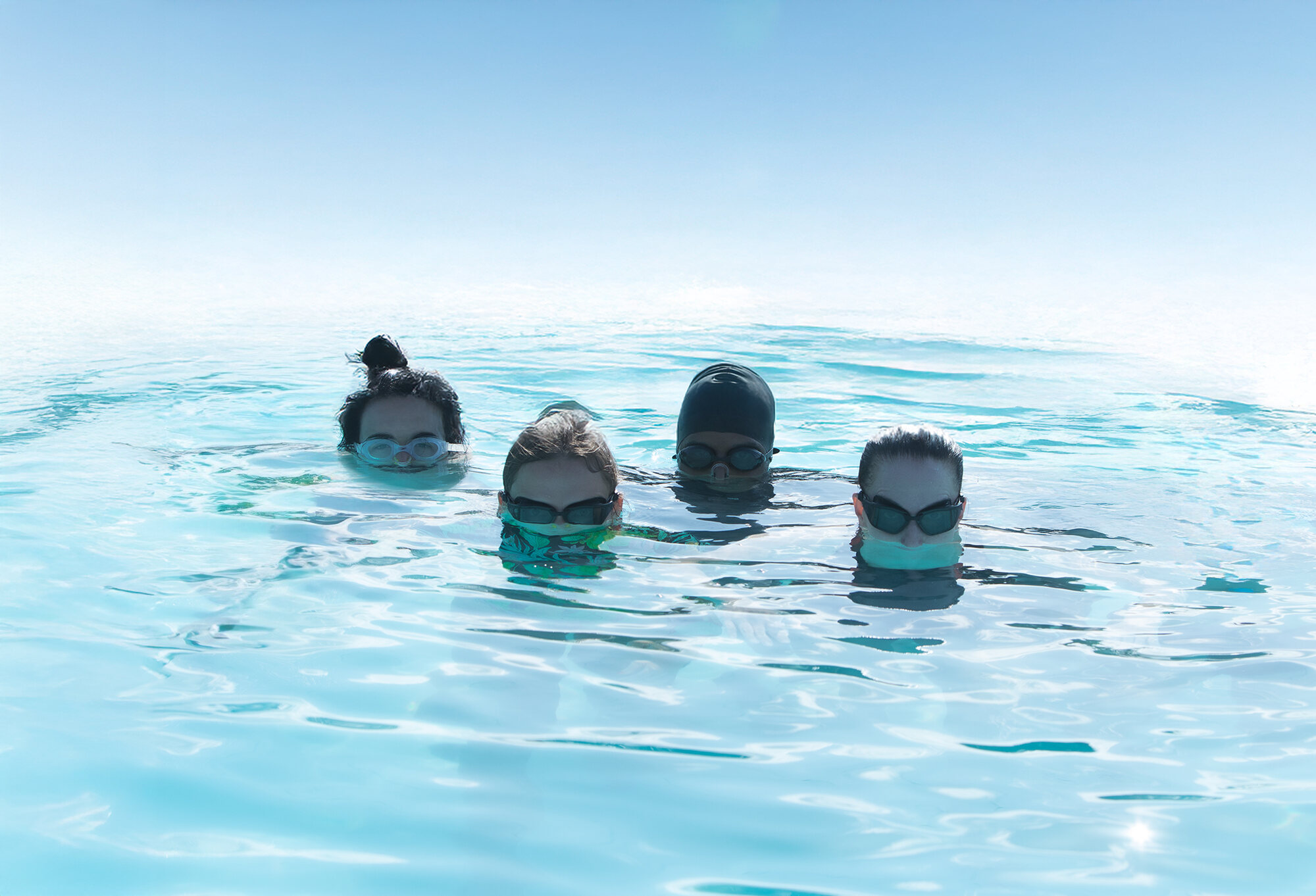
We film in the air.
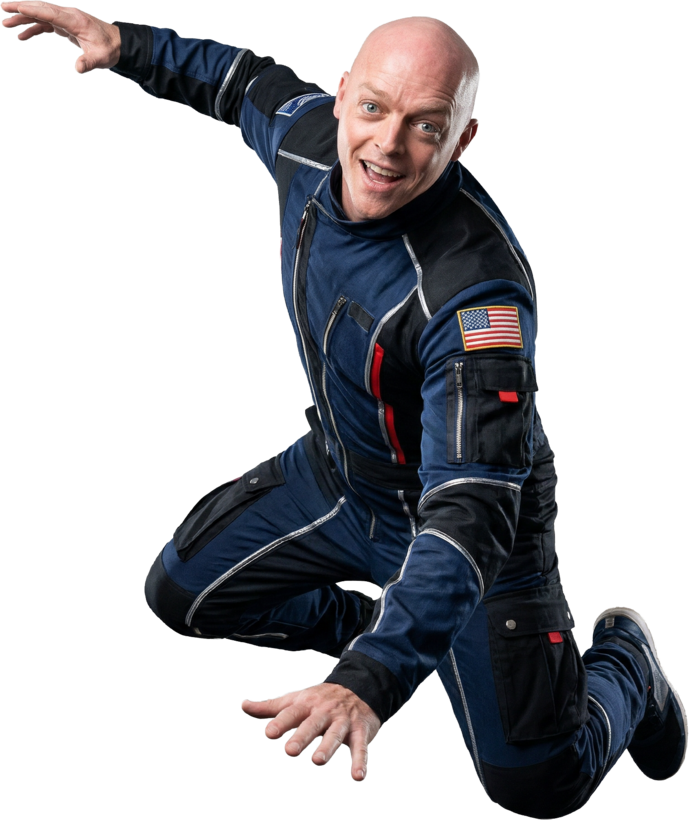
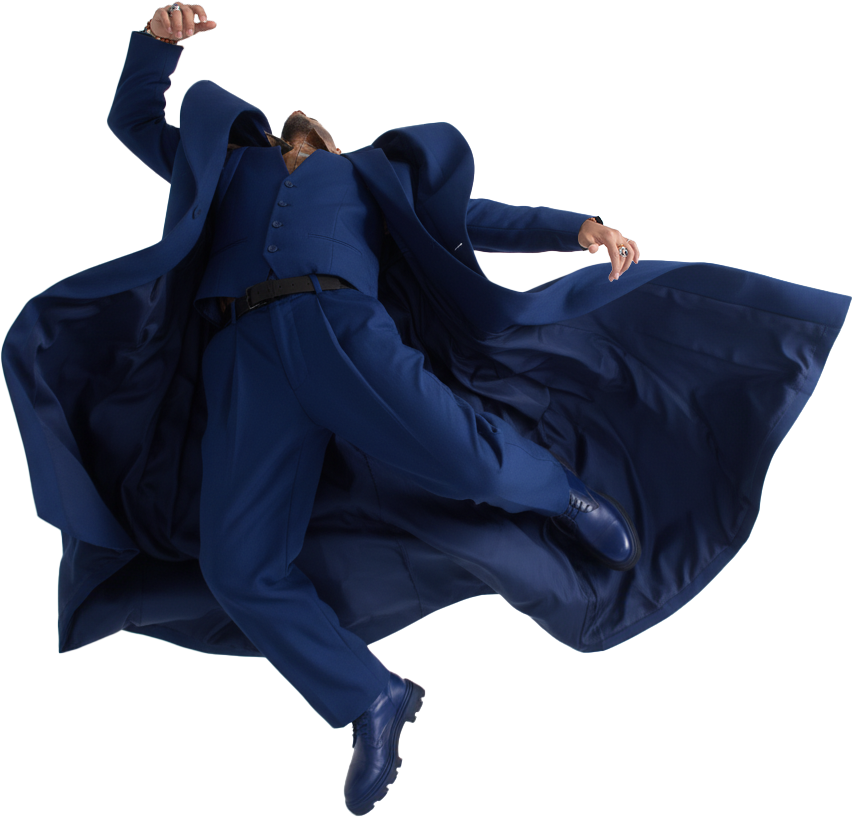
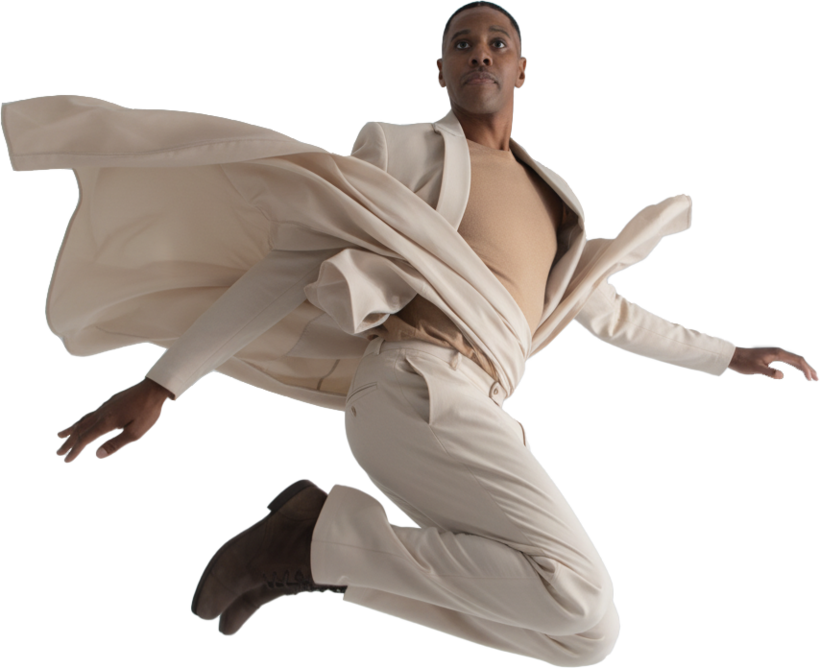
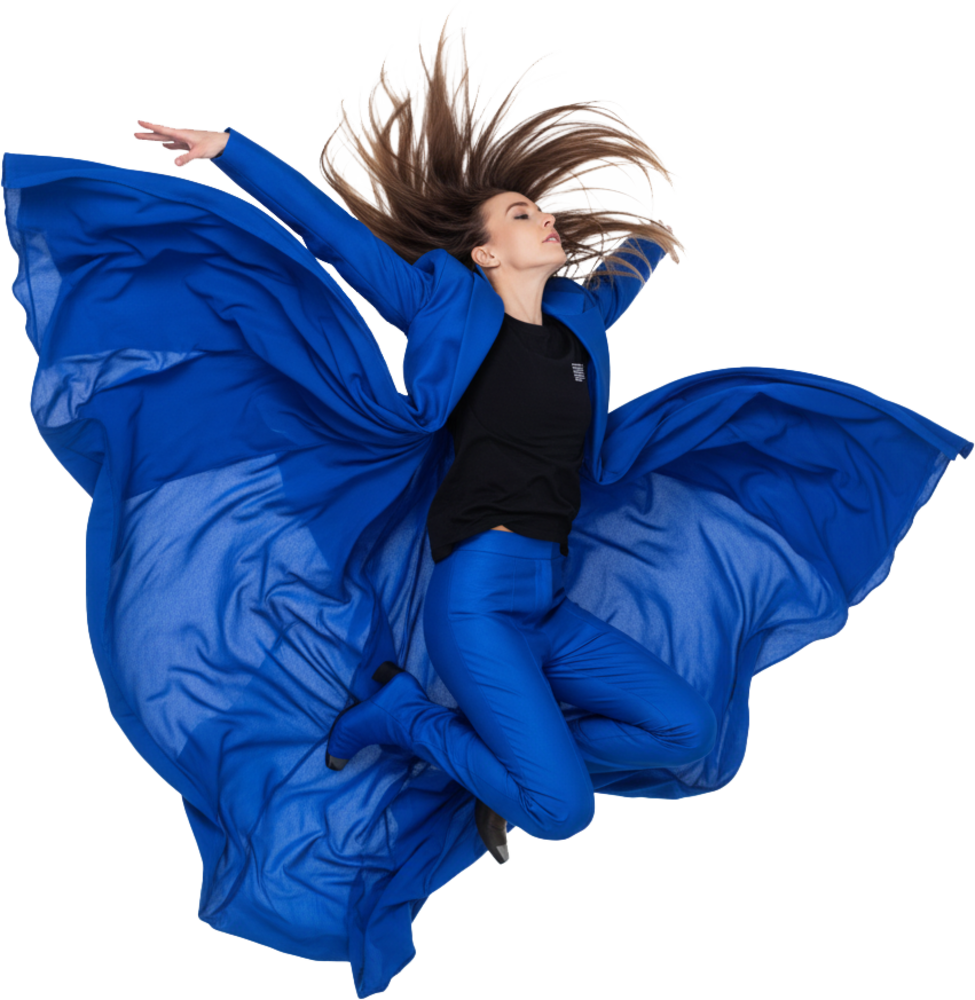
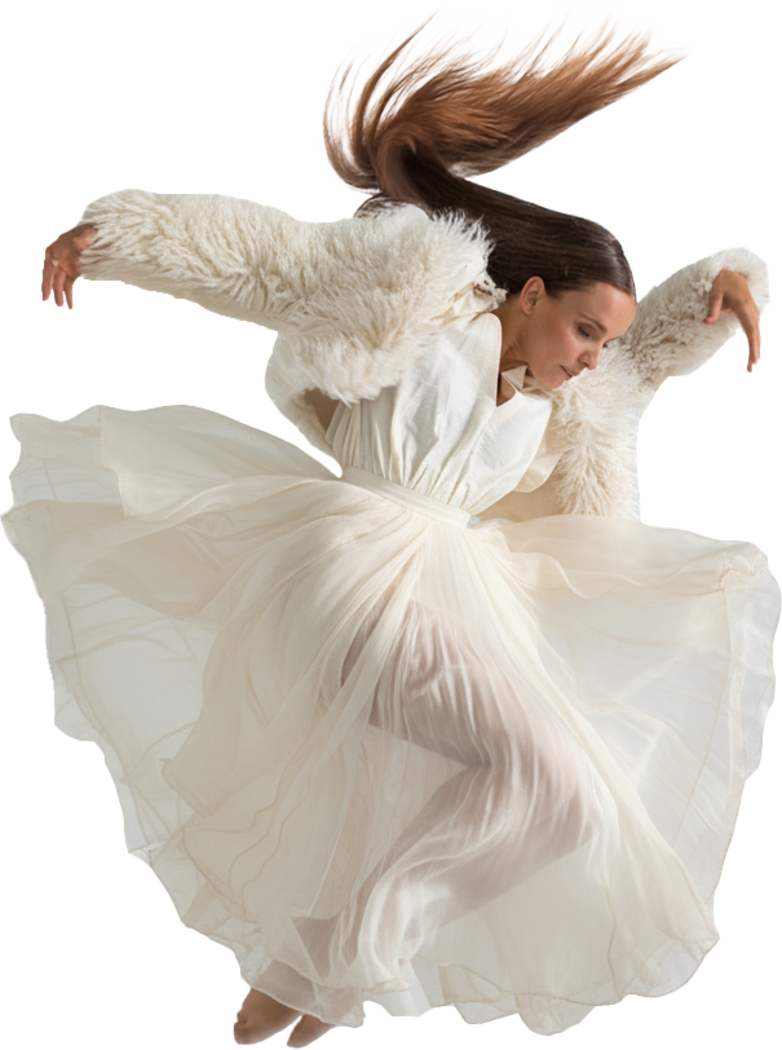
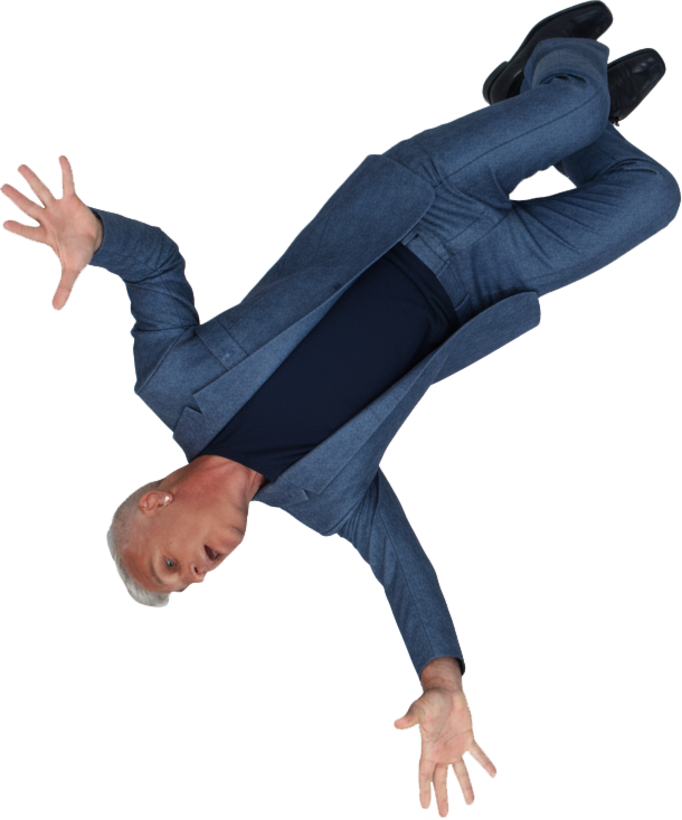
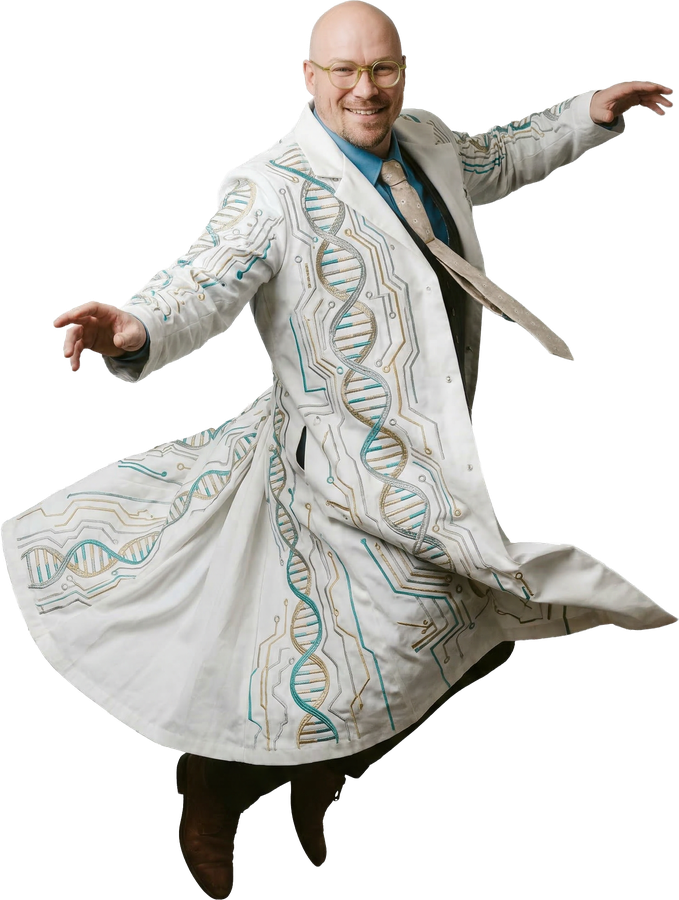
We train with the rigor of microgravity research and perform with the poetic wonder of dance theater.
Choreographers and dancers from HBO and Miami City Ballet to Art Basel. A physicist and a biotechnologist in the same rehearsal room.
Space scientists, investors and artists, among them the first American to paint in microgravity.
A studio team from Universal Studios and the Daily Mail. Partners from O Cinema to Mu-G Technologies.
Each production becomes a family of works for brands, museums, festivals.
Two productions on the slate.
A research-driven performance created for microgravity. Its cameras double as research instruments.
Whimsical moments in weightlessness. Fabric dancing, liquid floating, objects spinning, bodies drifting. A brand, a patron or a partner can create one with us.
A campaign ad. A product film. An installation. A live event. Tell us the feeling. We'll design the scene.
For brands, space companies and cultural institutions.
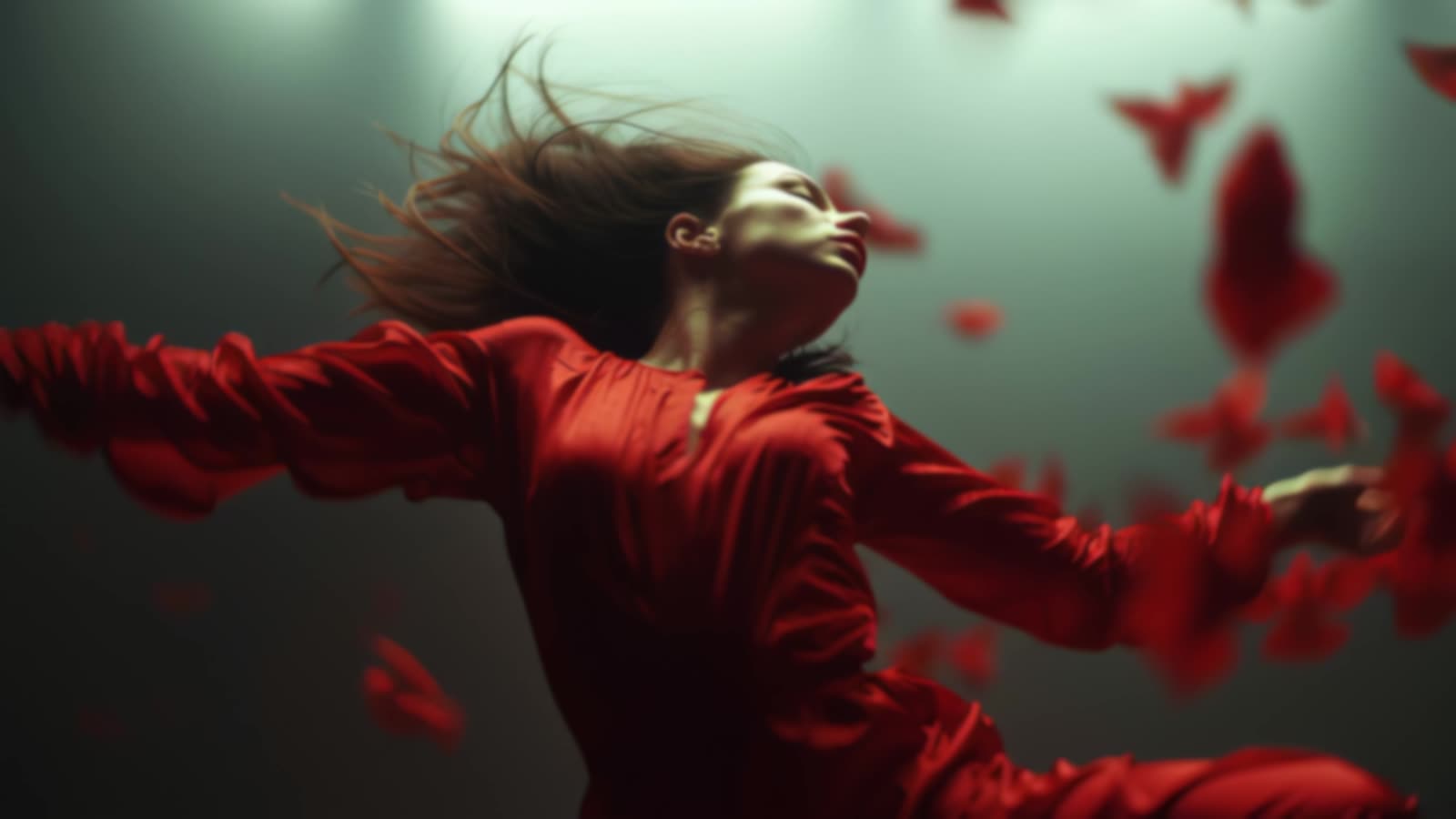
A performance composed for microgravity
An original Space Wonders production. In development.
Hotels, business parks and research stations are expected in orbit and on the Moon. Hardware will get people there. Culture is what will make them stay.
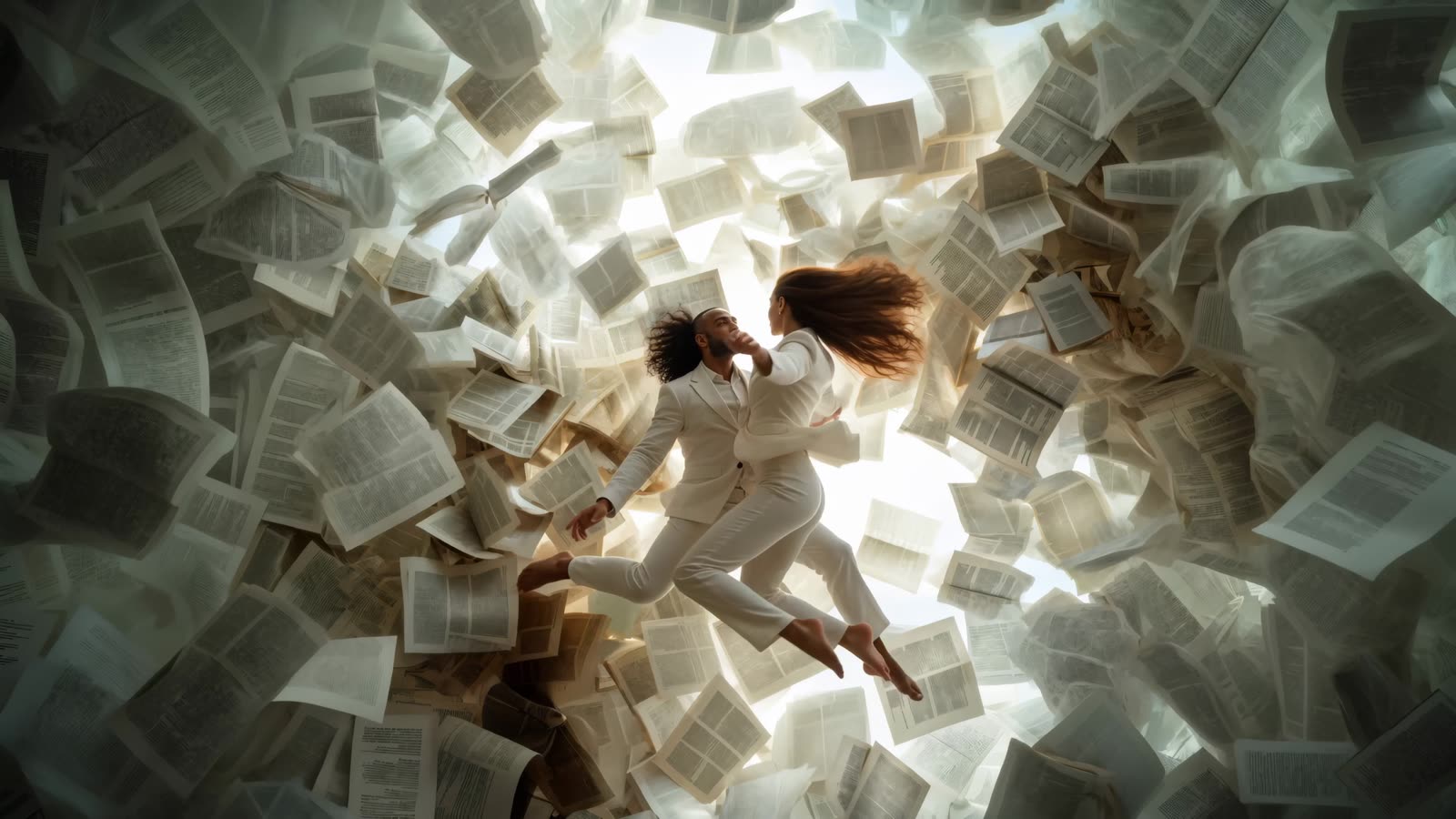
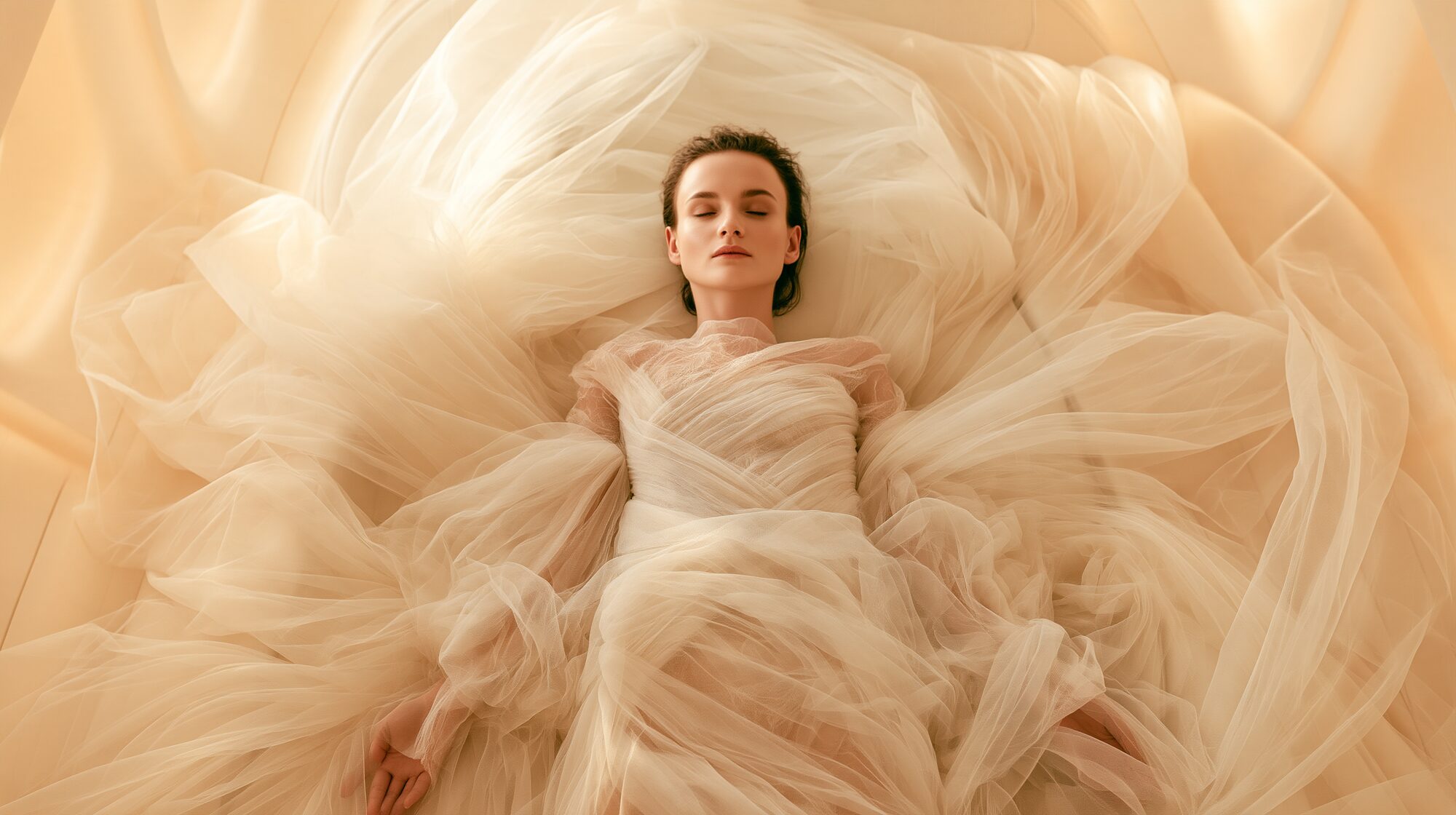
PARABOLES is created for microgravity, to be filmed aboard a parabolic flight. Dance, theater, science and cinema, fused into one art form. A first prototype for the performing arts in space.
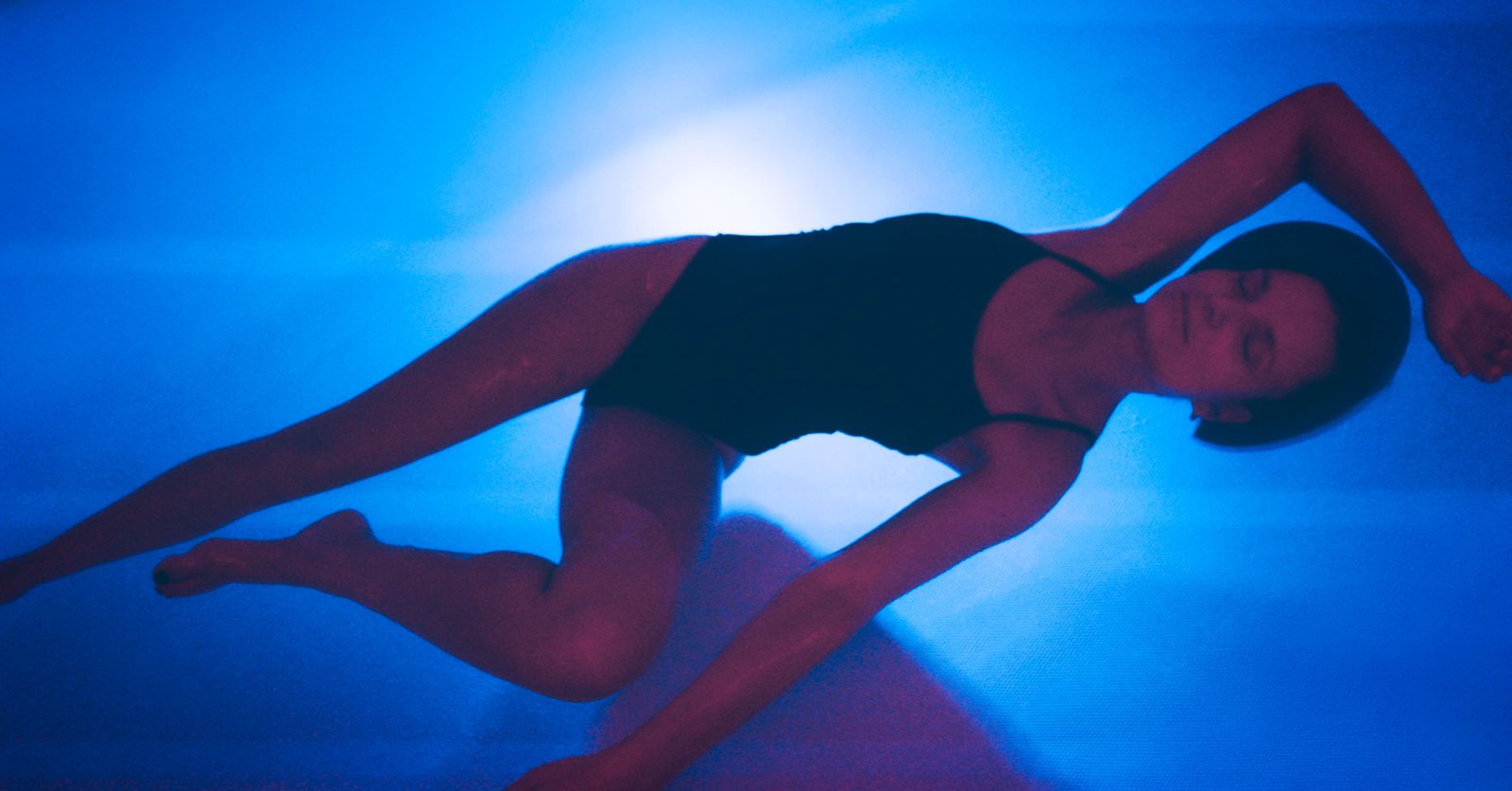
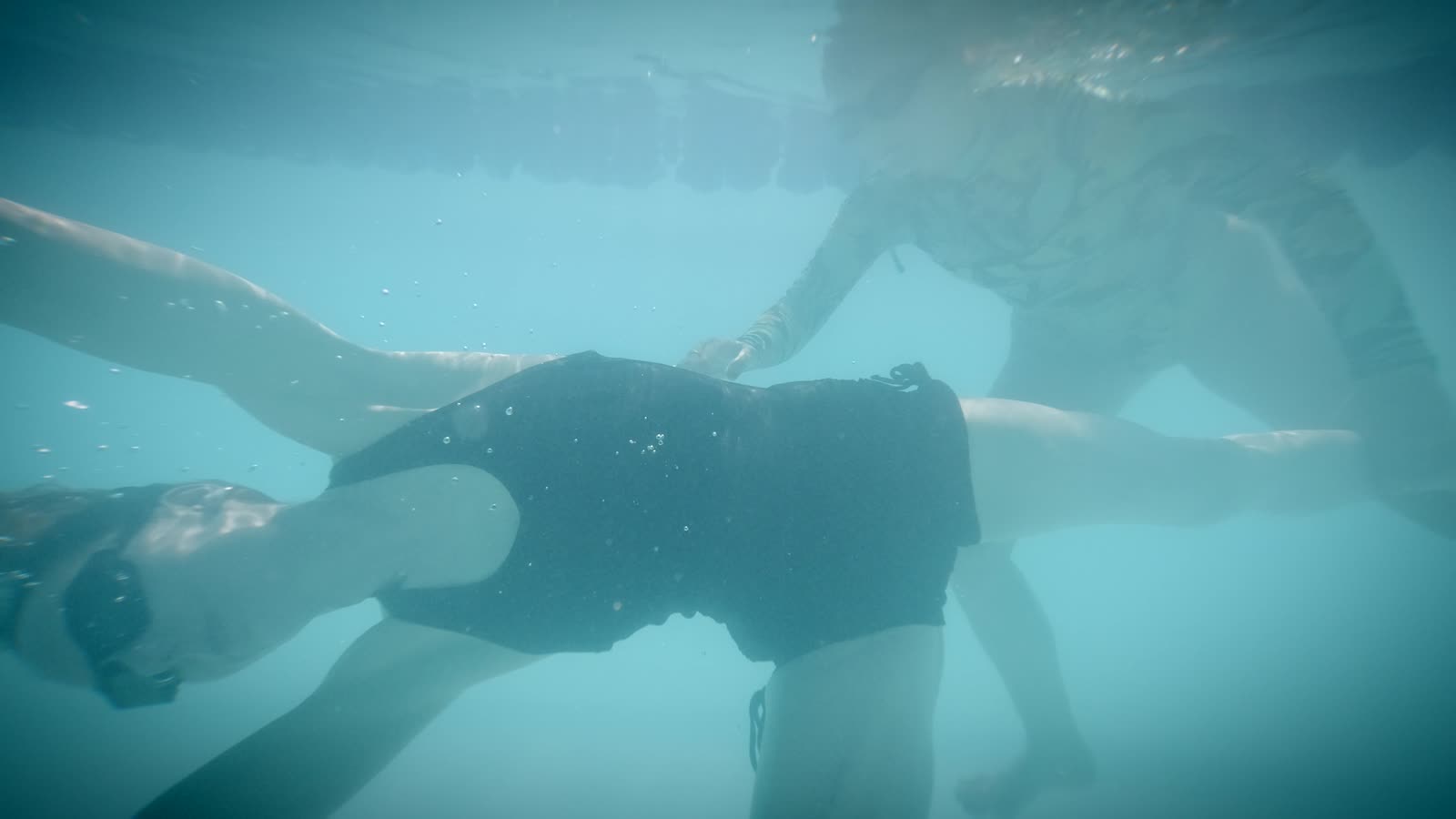
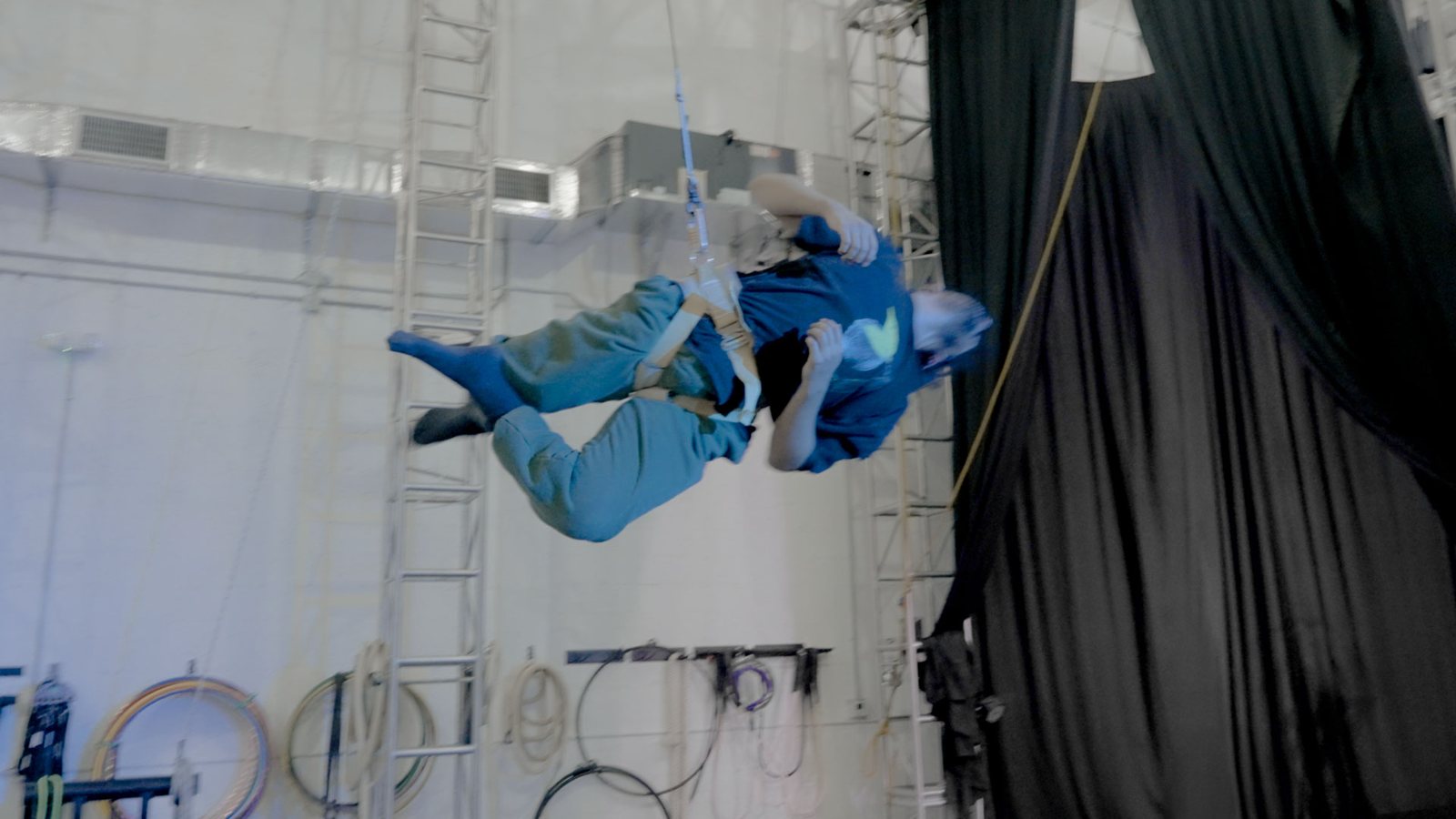
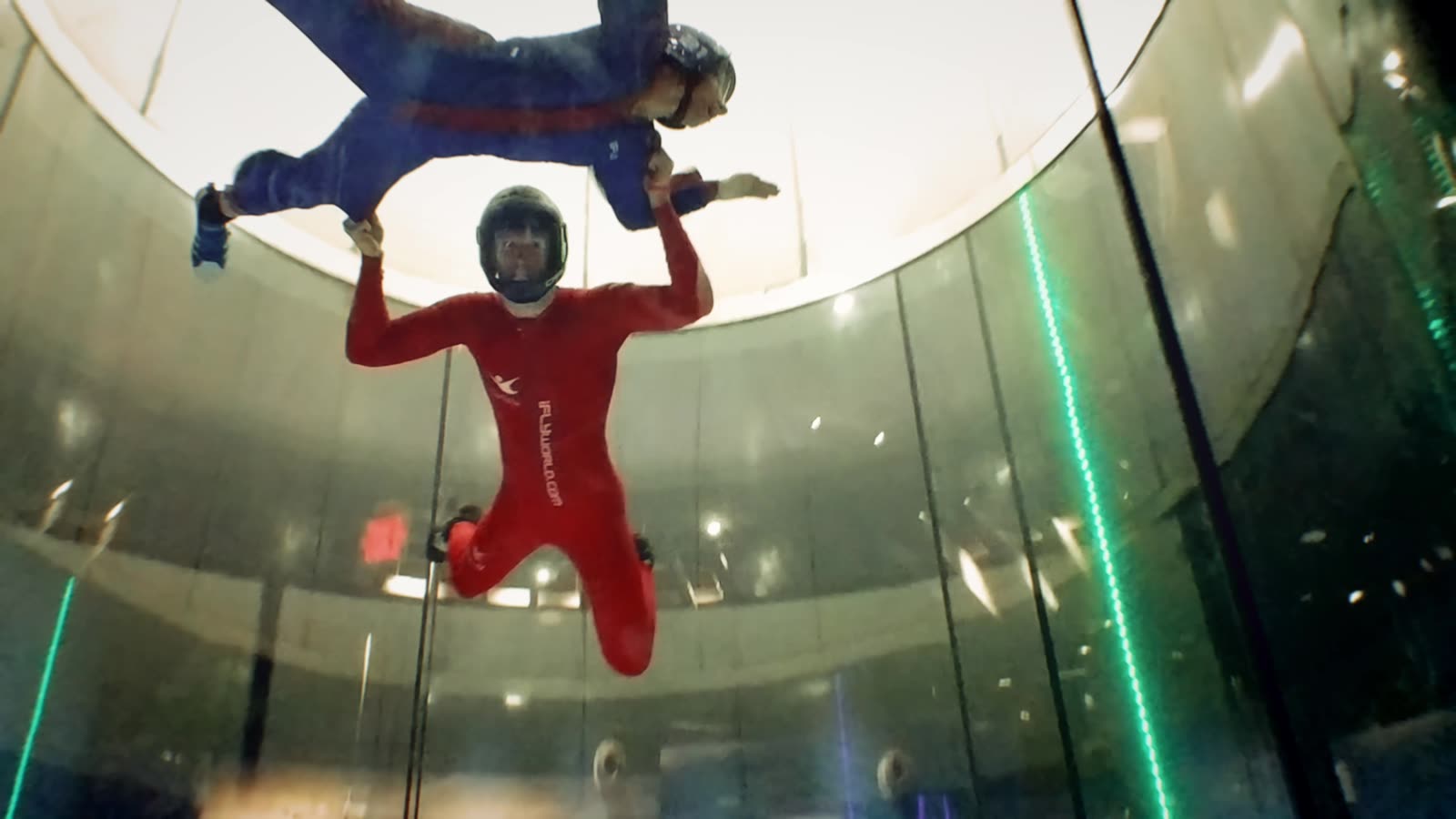
The Founding Circle. They got in first.
Gifts and sponsorships may be tax-deductible through our nonprofit partner, O Cinema.
Between flights, the studio brings the work to stages, conferences and bodies on Earth.
Conversations at the edge of culture and space
Children used to want to be astronauts. Now many want to be influencers. Space Salons exist to raise the aim again.
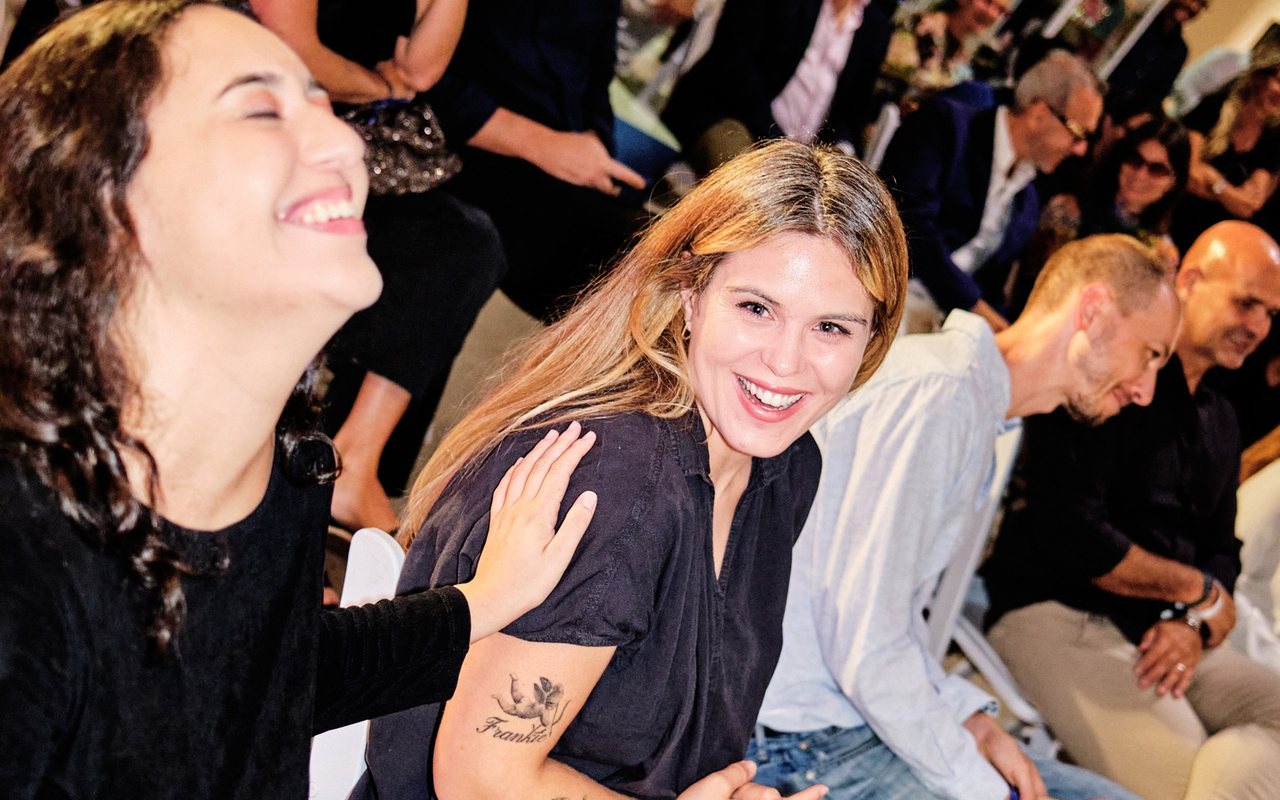
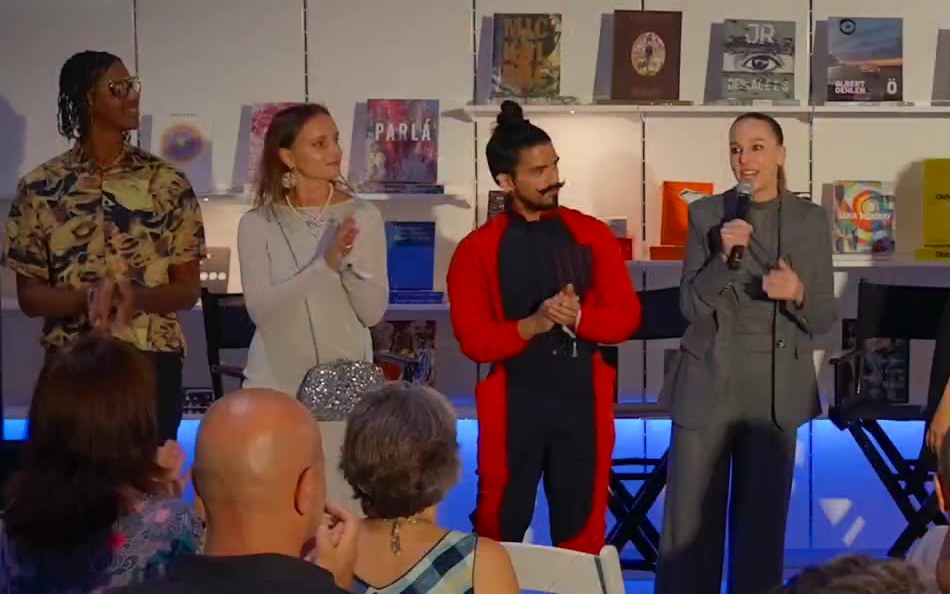
Intimate, TED-style evenings with space leaders and cultural innovators, exploring one question: how will culture evolve in space? We bring exclusive footage and the conversation. For one evening, your venue hosts the future.
Preparing humans to create in microgravity
Three-day camps and week-long intensives, built with artists, scientists and space researchers.
Learn how breath, balance and expression change when gravity lets go. Fear turns into focus. Instinct turns into awareness. For future performers, educators and spacefarers.
Making theater for space
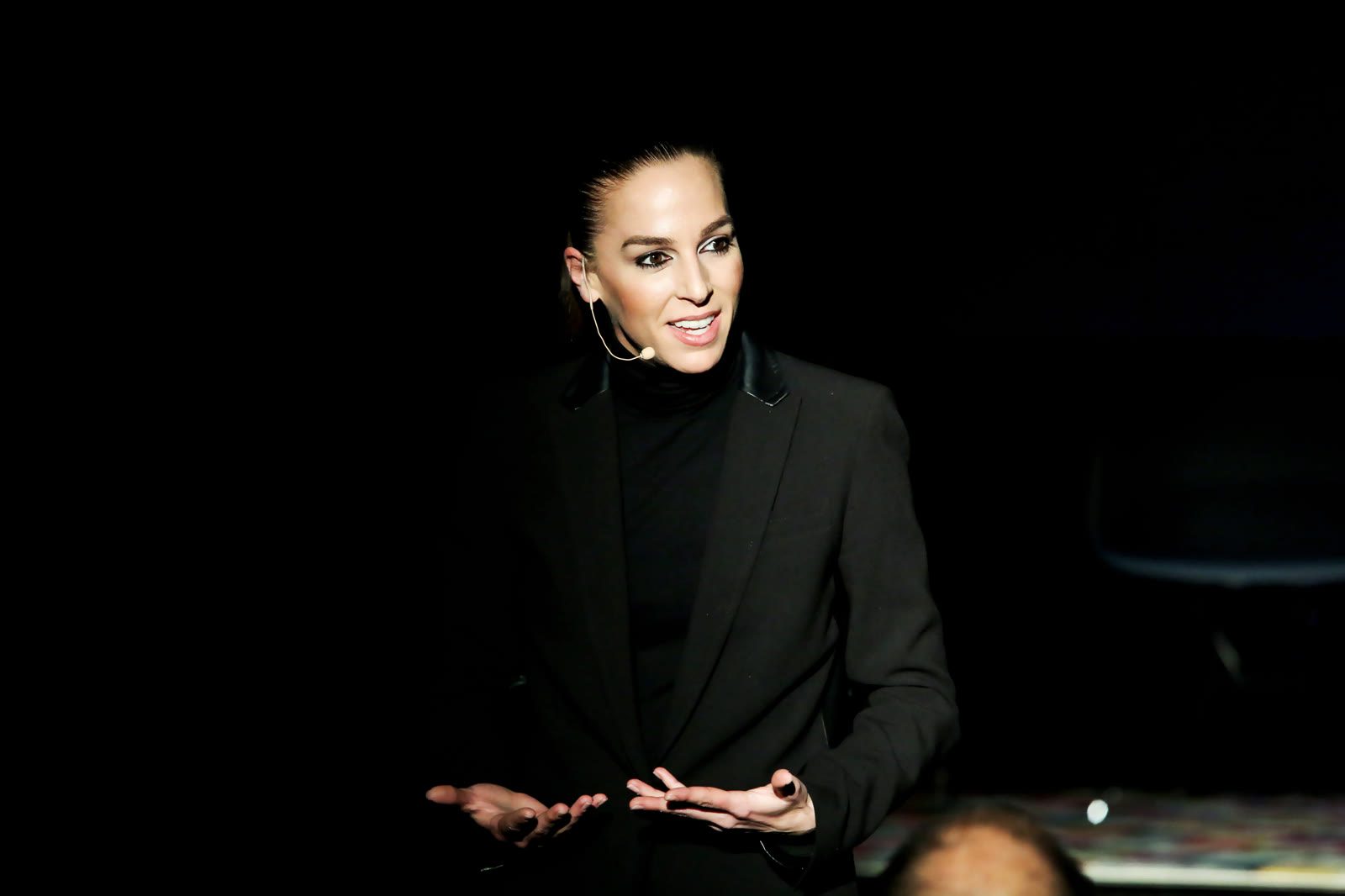
Natasha Tsakos speaks on culture, creativity and the future of people in space.
Keynotes, panels and workshops for conferences, companies and universities, drawn from 25 years of show-making and more than 15 years of space training.
The technical rigor of microgravity research, with the poetic wonder of dance theater.
Award-winning artists, scientists and technologists, with advisors from New Space, research, the stage and the screen.
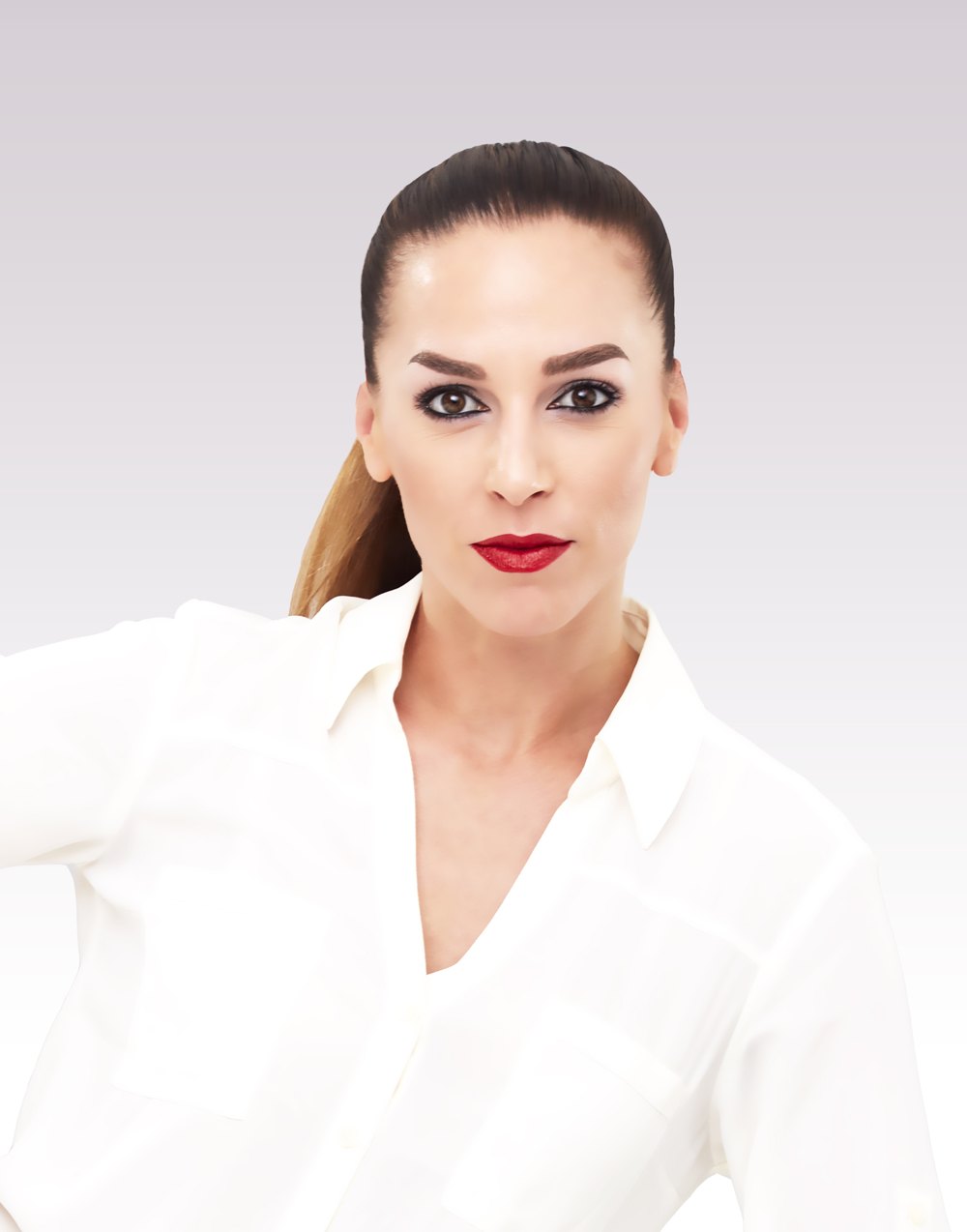
Founder and CEO. Director, Producer
An award-winning showmaker working where art, technology and space meet. 25 years of show-making. More than 15 years of space training.
Her credits include the G20 Summit, the Super Bowl, Cirque du Soleil, TED and the Tribeca Film Festival. She has spoken at the United Nations General Assembly and at Google.
Natasha has flown 32 parabolas. She is NASA-trained, MIT-certified in the new space economy and a member of the AIAA committee on gravity-dependent science and technology. She is also a founding member of Duckweed Labs, a space food startup twice awarded by NASA.
The cultural, scientific and production partners we create with.
The cameras that film our performers also give early estimates of heart rate, muscle activation and movement quality. No wearables. The performance is the dataset.
Commercial space stations will soon host ordinary people. Very little data exists on untrained bodies in orbit.
We record bodies doing complex creative work as gravity changes. It is a first step toward a health-monitoring suite for long-duration missions. The goal is to monitor anyone in space, whether an astronaut, a citizen scientist or an astroperformer, without a single sensor touching the body.
The research is led by Eugene Duvenage, who heads bioastronautics at Space Wonders and is a researcher at the University of Reading.
Rehearsals on Earth.
Parabolic flight at lunar gravity.
Archival footage from the International Space Station.
“If we solve all the constraints for space, Earth becomes easy.”
Eugene Duvenage
By Florencia Franceschetti, TogetherWith. September 2026
What does it feel like to be in an environment your body has never known?
For Space Wonders, that question is both artistic and scientific. Space Wonders creates performances born in microgravity and translates them into cultural experiences on Earth. Its flagship production, PARABOLES, is a research-driven microgravity performance, and increasingly, the images being created for that performance and during the training and rehearsals are becoming a new kind of research material.
“We essentially are setting out to create a way to monitor astronaut health or, well, astronaut artist health, I guess, in a way that doesn't involve a bunch of sensors that have to make contact with the body.”Eugene Duvenage
Duvenage has developed a computer-vision pipeline that analyzes ordinary video for several biometric signals.
One technique, remote photoplethysmography (rPPG), detects tiny changes in facial skin color caused by blood circulating with each heartbeat. Those changes can be used to estimate pulse and heart rate, while blood-pressure estimation from rPPG still remains considerably more experimental and requires individual or population-level calibration and validation.
As Duvenage puts it, the system produces a pulse waveform from light reflecting off the blood: “And we're just doing that with the webcam.” No contact sensors are needed for this first-pass analysis.
Space Wonders has now applied the pipeline across footage from three gravitational conditions: rehearsals on Earth at 1 G, parabolic flight at lunar gravity, approximately 0.17 G, and archival astronaut footage from the International Space Station in microgravity. The result is a frame-by-frame experimental view of how physiological and movement signals might change as gravity changes.
These outputs are approximations, not clinical measurements. The next phase of the PARABOLES research plan is validation, comparing the video-derived results against contact sensors such as ECG, EMG and cuff-based blood pressure.
There are other limitations to solve, too. Lighting affects optical measurements, and current methods do not perform equally across all skin tones. Space Wonders plans to test its models on more representative datasets and explore thermal imaging as an additional source of physiological information.
For Duvenage, testing under real conditions is essential. “Most models are built under lab circumstances, like most data sets are gathered under really clean circumstances.” Space is anything but an ordinary laboratory.
That is also where the research connects most directly to Space Wonders' artistic practice. The artistic capture and the scientific dataset are the same material, read in two languages.
To a filmmaker, a frame contains gesture, expression, movement and story. To a computer-vision model, that same frame contains changes in skin color, joint positions, movement trajectories and possible physiological signals.
Space Wonders does not have to choose between the two. The cameras required to create PARABOLES can potentially become research instruments at the same time, allowing the studio to investigate not only what performance in space looks like, but what it asks of the human body. And solving those problems in an environment as constrained as space could eventually have implications beyond it.
“The big thing is we need to understand the limitations first,” Duvenage says. “But my argument is if we solve it for up there, then it becomes much easier down here. Like if we solve all the constraints for space, Earth becomes easy.”
Space Wonders plans to publish its methodology and findings as open-access research alongside the Microgravity Performance Playbook in 2027.
The larger question behind the work is simple: how much can we learn about a human body in space simply by watching it? For PARABOLES, the performance is the artwork, the footage is the film, and the images are also data.
Head of Bioastronautics. Researcher, University of Reading
Inventor and biotechnologist based in Cape Town. He leads the computer-vision pipeline behind the PARABOLES research. He co-founded two venture-backed startups in early cancer detection and diagnostics.
The artistic capture and the scientific dataset are the same material, read two ways.
A filmmaker sees gesture, expression, movement and story. A computer vision model sees skin-color changes, joint positions, trajectories and possible physiological signals. We don't have to choose.
Approximations today. Validation next.
These are early estimates, not clinical measurements. Lighting affects optical readings. Current methods don't yet perform equally across skin tones, and the models still need testing on more representative datasets.
Compare video-derived signals with ECG, EMG and cuff-based blood pressure.
Test across skin tones and lighting. Add thermal imaging as a second source.
Open-access methodology and findings, with the Microgravity Performance Playbook, in 2027.
Universities, space agencies and health tech teams can work with the dataset and help validate the methods.
Featured more than 40 times in the press, from the Associated Press to Space.com, with a combined reach of more than 50 million.
“The next giant leap for humankind should make room for wonder.”
Carmen F de Terenzio, Miami Herald
Interviews, images, footage and speaking invitations.
media@spacewonders.co
For productions in microgravity, talks, or to float with us.
Tell us what you want to see float. A few lines is enough.
partner@spacewonders.cohello@SpaceWonders.co (415) 887 2567 Miami, Florida
This film plays right here once the site is live.